Understanding Human Behavior Through Artificial Intelligence
Explore how machine learning and AI technologies are revolutionizing our understanding of human cognition, decision-making, and social interactions.
Learn MoreKey Research Areas
BehavioralAI explores the intersection of artificial intelligence and behavioral psychology, focusing on how machine learning algorithms can identify patterns in human actions, predict decision-making processes, and contribute to our understanding of cognitive and social behavior. Our research spans multiple domains, from individual cognitive processes to complex social dynamics.

Pattern Analysis
Machine learning algorithms analyze vast datasets to identify behavioral patterns that might be invisible to human observation.
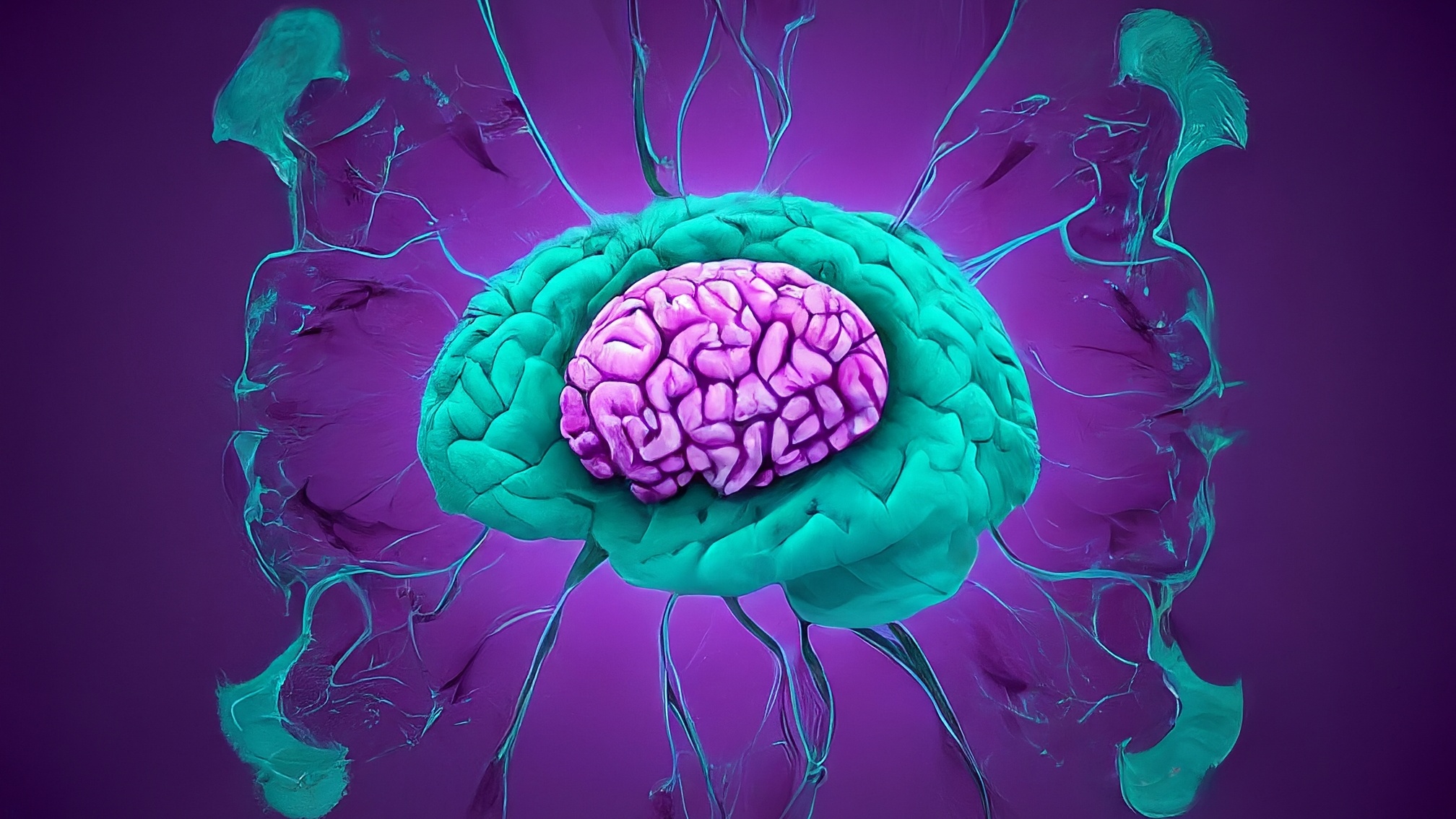
Decision Prediction
AI models predict human decision-making processes by analyzing cognitive patterns and environmental factors.
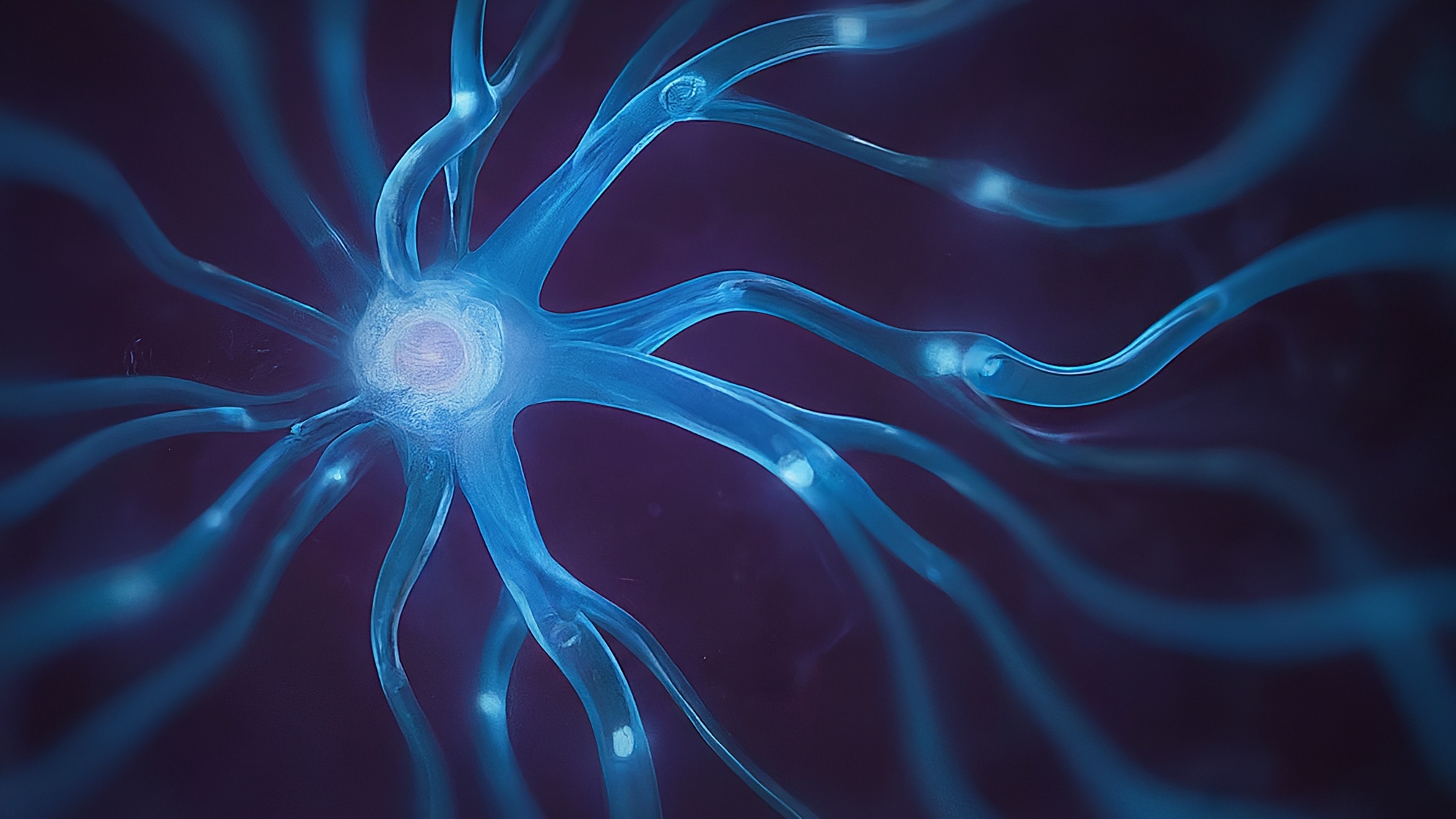
Cognitive Modeling
Advanced neural networks simulate human cognitive processes to better understand how we think and learn.
How AI Analyzes Human Behavior
The application of artificial intelligence to behavioral analysis represents one of the most exciting frontiers in modern psychology and cognitive science. By leveraging sophisticated machine learning algorithms, researchers can process and analyze behavioral data at scales and speeds that were previously impossible. This section explores the fundamental processes through which AI systems understand and predict human behavior.
Data Collection
AI systems gather behavioral data from various sources including digital interactions, sensor data, and experimental observations. This comprehensive data collection enables researchers to build rich datasets that capture the complexity of human behavior across different contexts and situations.
Pattern Recognition
Machine learning algorithms identify subtle patterns and correlations within behavioral data that might not be apparent through traditional analysis methods. These patterns can reveal insights into cognitive processes, emotional states, and social dynamics.
Model Building
AI systems construct predictive models that can forecast future behaviors based on historical patterns. These models continuously learn and adapt, improving their accuracy as they process more data and encounter new behavioral scenarios.
Insight Generation
The final stage involves translating AI-generated insights into actionable knowledge about human behavior. Researchers use these insights to develop theories, test hypotheses, and advance our understanding of cognitive and social processes.
Research Applications
Artificial intelligence has found numerous applications in behavioral research, each contributing to our understanding of human cognition and social interaction. These applications span from individual psychological processes to large-scale social dynamics, demonstrating the versatility and power of AI-driven behavioral analysis.

Social Behavior Analysis
AI systems analyze group dynamics, social networks, and collective behaviors to understand how individuals interact within social contexts.
Emotion Recognition
Machine learning models identify and classify emotional states from facial expressions, voice patterns, and physiological signals.

Learning Processes
AI models simulate and analyze how humans acquire new knowledge, develop skills, and adapt to changing environments.
Research Gallery
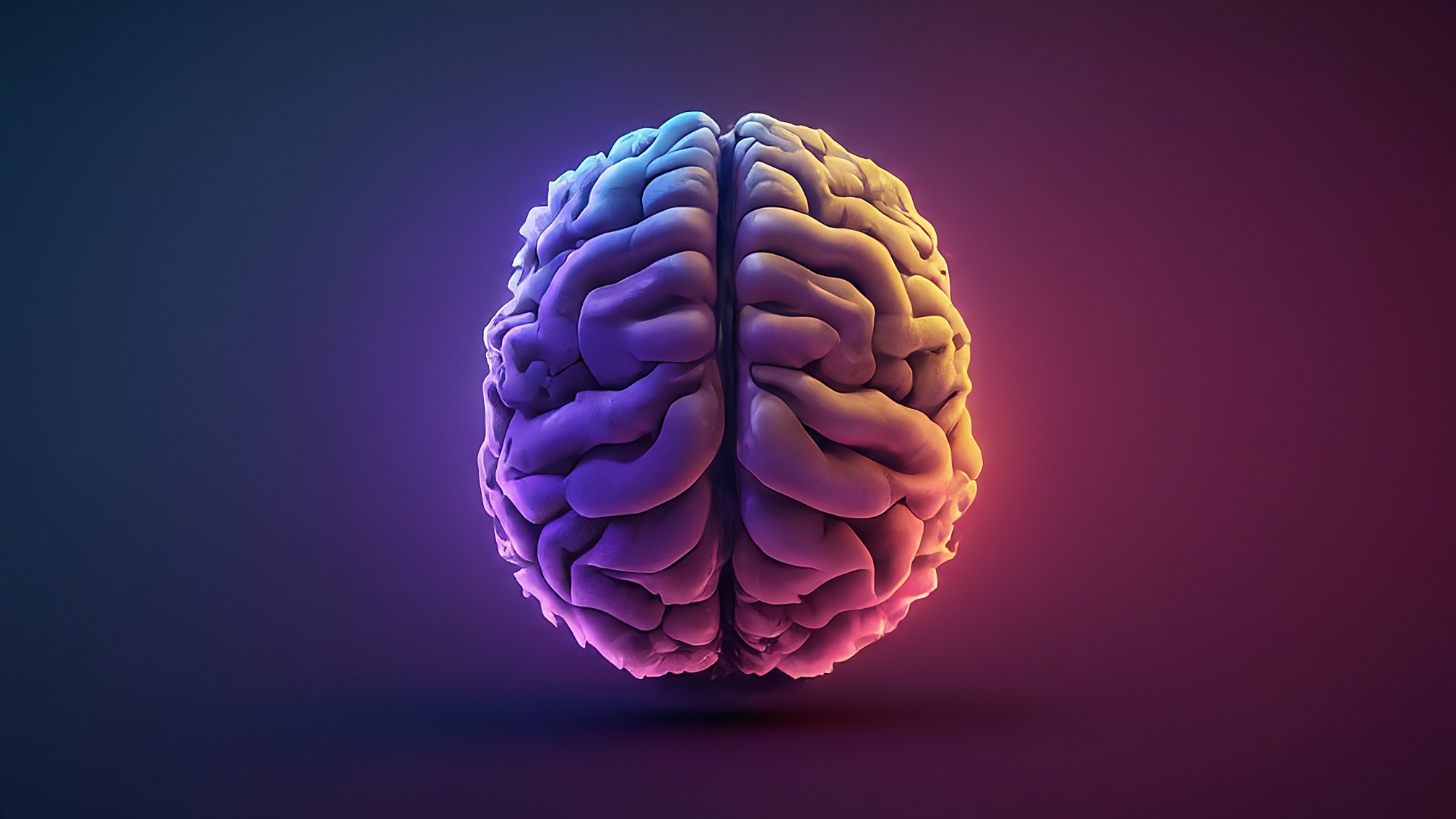
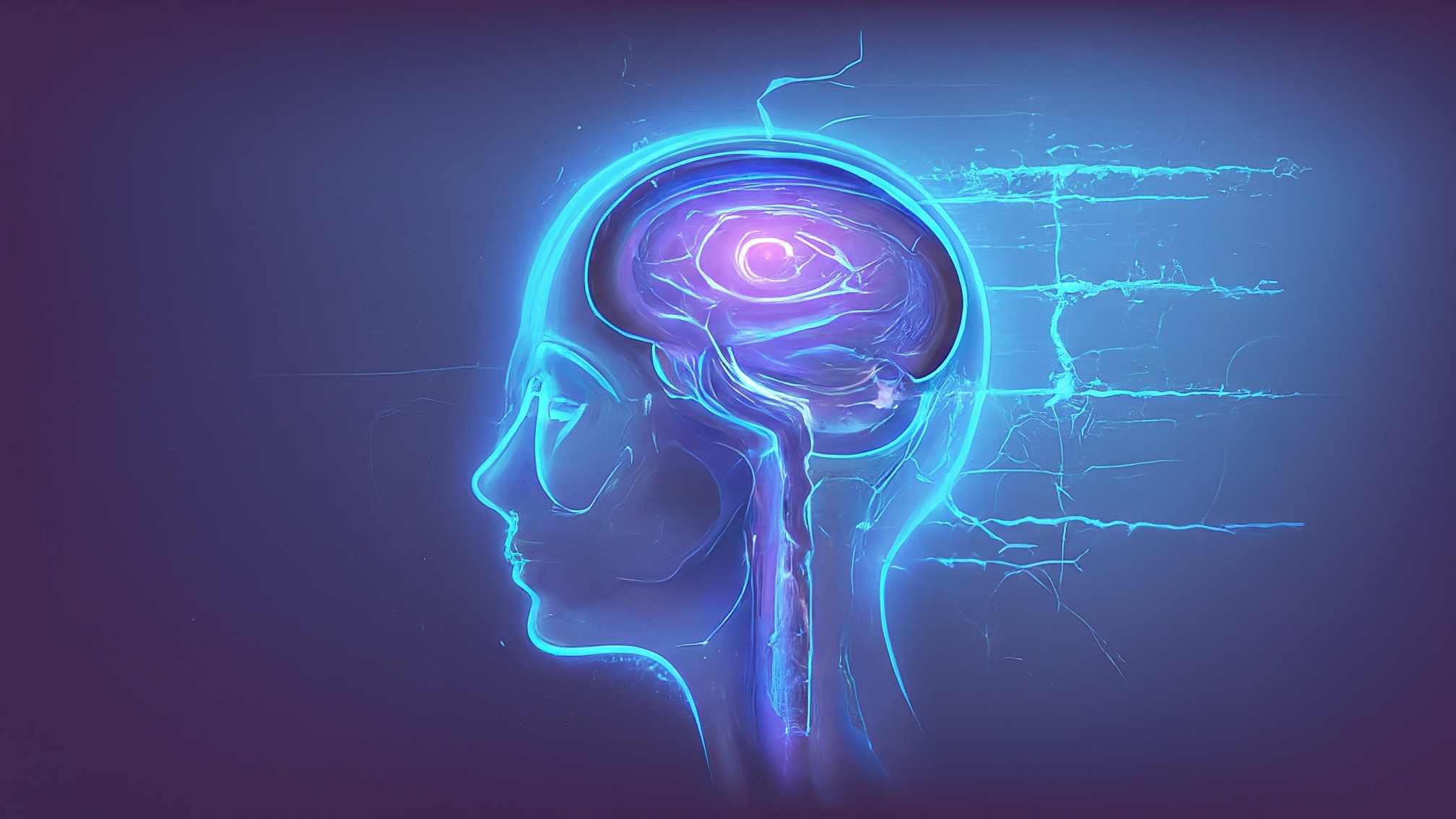
Visual representations of AI-driven behavioral research showcase the complexity and beauty of human cognition and social interaction. This gallery features images from various research domains, illustrating how artificial intelligence helps us visualize and understand patterns in human behavior.




Contact Us
For inquiries about our research or to learn more about AI applications in behavioral analysis, please reach out to us. We welcome questions and discussions about the intersection of artificial intelligence and psychology.
Address
170 Rutland Rd N
Kelowna, BC V1X 3B2
Canada
Phone
General inquiries welcome